

Key Takeaways
- Greenland sits on the shortest air route between the U.S. and Russia and controls vital access points to the North Atlantic.
- The island holds deposits of 25 out of 34 critical minerals identified by the EU, including rare earth elements essential for modern technology.
- U.S. interest is not new; it dates back to 1867 and includes a rejected offer of $100 million in gold in 1946.
- 85% of Greenlanders reject joining the U.S., preferring a path toward independence from Denmark while maintaining their own identity.
Introduction: The World’s Largest Island takes Center Stage
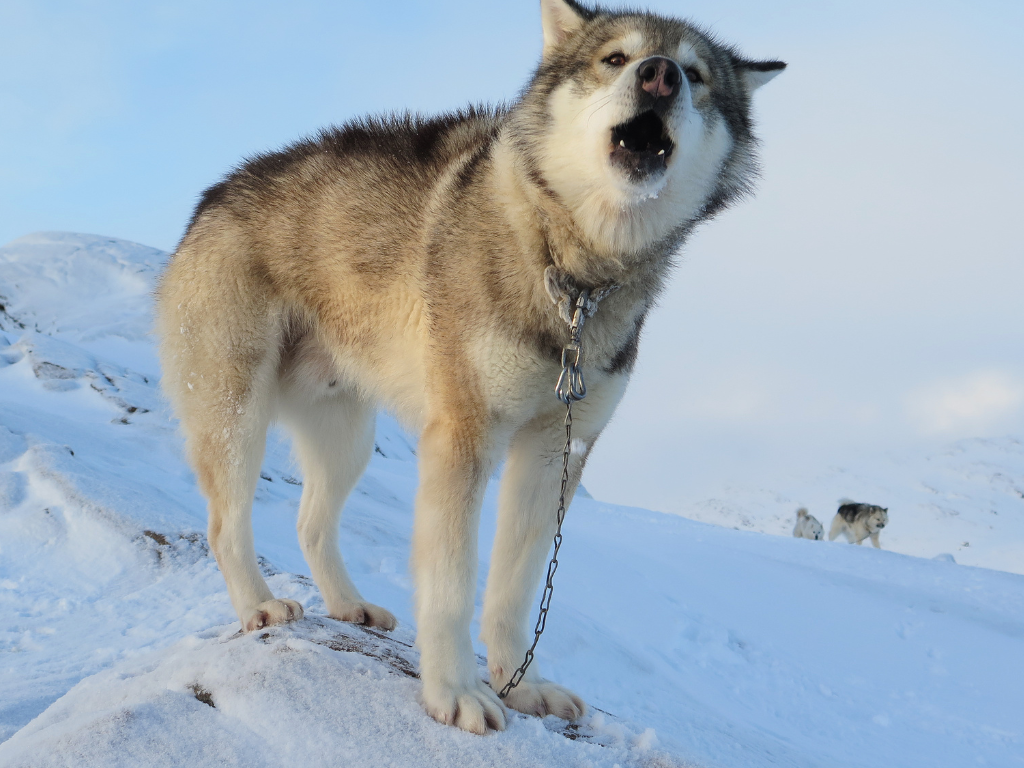
For a long time, Greenland was seen as a quiet, icy periphery in world affairs. That has changed. Recent statements by U.S. President Donald Trump have brought a century of American ambition back to the surface. His interest has moved from casual comments to serious policy moves. These include threats of tariffs, orders for intelligence gathering on Greenland’s independence, and a refusal to rule out military options.
Why is the world’s largest island suddenly a focal point for intense international competition? It is not just about size. It is about where Greenland is located and what lies beneath its ice.
This article explores why the United States, China, and Russia are all looking North. We will examine the military value, the potential for new shipping lanes, and the vast natural resources involved. Crucially, we will also look at what the people of Greenland and their European partners think about these global powers vying for control of their home.
Why Greenland Matters: Three Strategic Pillars
Greenland’s value comes from a mix of its permanent geography and its changing climate. As the ice melts, new opportunities—and dangers—emerge. We can break this down into three main pillars.
Pillar 1: The Military Advantage
Greenland is a critical piece of military real estate. If you draw a line over the North Pole connecting Washington D.C. and Moscow, that line goes right over Greenland. This makes it the shortest route for missiles or aircraft between the two powers.
The island is also the northern anchor of the GIUK Gap (Greenland-Iceland-UK). This is a narrow naval passage in the North Atlantic. Controlling this gap is essential for tracking submarines and ships moving between the Arctic and the Atlantic Ocean. For NATO, this is a key line of defense.
The most important facility here is the Pituffik Space Base (formerly Thule Air Base). It is the U.S. Space Force’s northernmost base. It houses the 12th Space Warning Squadron, which uses massive radars to provide early warning of missile attacks. It is also perfect for tracking satellites in polar orbit, which are used for spying and communication.
Pillar 2: The Reality of New Maritime Highways
Global warming is melting Arctic ice, leading to talk of new shipping routes.
- The Northern Sea Route: Runs along Russia’s coast, shortening the trip from Europe to Asia.
- The Northwest Passage: Winds through Canada’s islands, connecting the Atlantic and Pacific.
However, the excitement often ignores the reality. These routes are unreliable. Ice cover is unpredictable, meaning ships often need expensive icebreaker escorts. Insurance costs are very high. Also, there are very few ports along the way to stop for repairs or trade. Compared to the reliable rail lines connecting China and Europe, these Arctic sea routes face a steep uphill battle to become commercially viable.
Pillar 3: A Treasure Chest of Natural Resources
Under the ice, Greenland is geologically rich. It contains vast amounts of materials needed for the “green transition” (renewable energy) and defense industries.
- Critical Minerals: Greenland holds deposits of 25 of the 34 critical raw materials listed by the European Union. This includes Rare Earth Elements (REEs) used in electric car batteries, wind turbines, and fighter jets. It also has graphite and uranium.
- Energy: The U.S. Geological Survey estimates there are large amounts of undiscovered oil and gas offshore.
Related: The Battle for AI Chips: Why the World Fights for Critical Semiconductors
Getting these resources out is difficult. The weather is harsh, there are few roads, and the workforce is small. This makes mining very expensive. Additionally, strict environmental laws—like a 2021 ban on uranium mining—have halted some major projects.
The American Objective: A Century of Pursuit
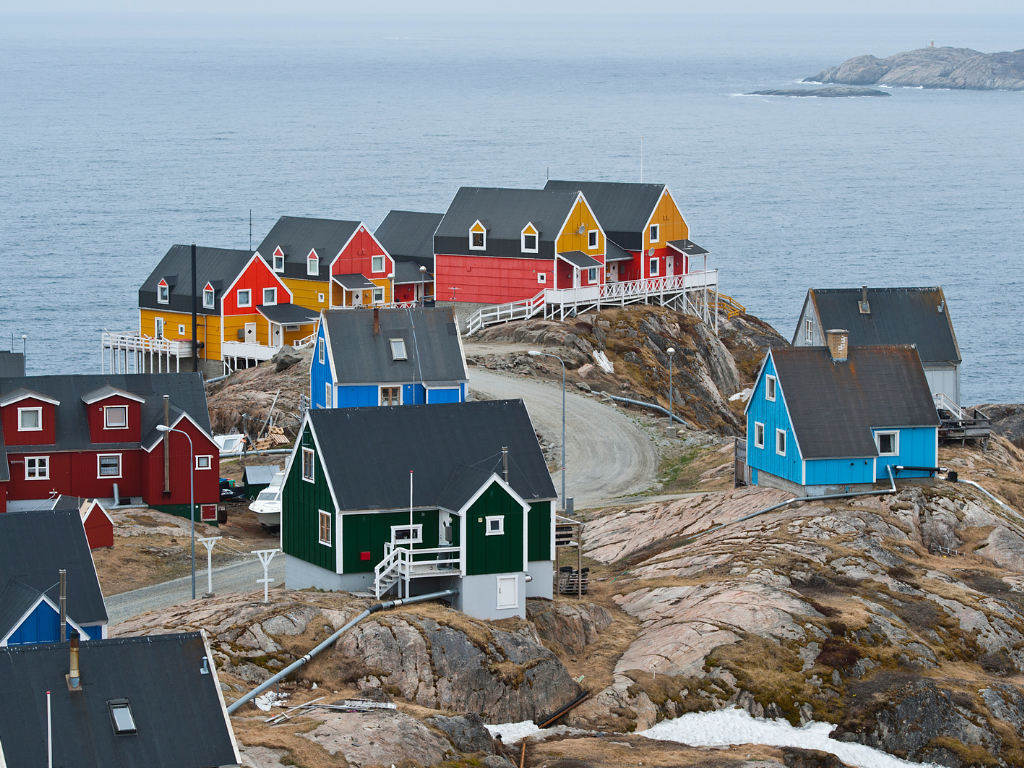
The desire to control Greenland is not a new idea from the Trump administration. It is a consistent theme in American history spanning over 150 years. The U.S. has always viewed the island as vital to North American security.
A Timeline of Interest (1867–Present)
- 1867: The U.S. buys Alaska. The Secretary of State immediately commissions a report on buying Greenland, calling it “worthy of serious consideration.”
- 1910: The U.S. discusses trading parts of the Philippines for Greenland.
- 1946: President Harry Truman secretly offers Denmark $100 million in gold bars to buy the island. Denmark rejects the offer.
- 1951: The U.S. and Denmark sign a defense agreement, allowing the U.S. to operate bases like Pituffik.
- 2019: President Trump publicly asks to buy Greenland. It is dismissed as “absurd.”
- 2024-2026: In his second term, Trump renews the demand, citing national security and threatening tariffs.
Core U.S. Motivations
Washington has three main goals:
- National Security: Controlling the GIUK Gap and protecting the Pituffik Space Base.
- Resource Security: Gaining access to rare earth minerals to reduce dependence on China, which currently controls most of the global supply.
- Strategic Denial: Keeping rivals like China and Russia out. The U.S. wants to ensure no other major power gets a foothold on the North American continent.
The Great Power Game: Russia and China Enter the Arctic
The U.S. is reacting to the moves of its competitors. The Arctic is no longer a quiet zone; it is an arena for power.
China’s “Polar Silk Road”
China calls itself a “near-Arctic state.” It wants to build a “Polar Silk Road” of trade routes and infrastructure.
- Airports: In 2018, a Chinese state-owned company tried to bid on building three airports in Greenland. The U.S. saw this as a security threat and convinced Denmark to fund the airports instead.
- Mining: Chinese companies are actively seeking to invest in Greenland’s mines to maintain their dominance in the rare earth market.
Deep Dive: DeepSeek AI: China’s Rising Star in Artificial Intelligence
Russia’s Military Buildup
Russia has the longest Arctic coastline and is remilitarizing it. They are upgrading Cold War bases, testing new weapons, and increasing naval patrols. Russia is also working more closely with China in the region. This activity threatens NATO’s security and makes monitoring from Greenland even more important.
“Not For Sale”: The View from Nuuk and Copenhagen
While superpowers argue, the people who actually live there have a very different view. Their slogan regarding foreign policy is: “Nothing about us without us.”
The Greenlandic Voice and Sovereignty
Greenland is an autonomous territory within the Kingdom of Denmark. The local government in Nuuk controls most domestic affairs, but Denmark handles defense and foreign policy. Greenlanders want self-determination, but they are practical. A January 2025 poll showed:
- 85% reject the idea of being bought by the United States.
- 56% favor full independence from Denmark eventually.
- However, 45% oppose independence if it means their standard of living drops.
Economically, Greenland relies on an annual “block grant” (financial allowance) from Denmark, which covers 52% of their government budget. Their economy is also 90% dependent on seafood exports.
Denmark and Europe’s United Front
Denmark has been firm. Prime Minister Mette Frederiksen stated, “Greenland is not for sale. Greenland is not Danish. Greenland is Greenlandic.”
European allies support this. In 2026, leaders from major countries like Germany, France, and the UK issued a statement supporting Greenland’s sovereignty. The European Union has also opened an office in Nuuk to build a partnership based on cooperation, not ownership.
Essential Reading: Understanding Modern Space Weapons: A Guide for the Curious
Conclusion: The Future of a Geopolitical Prize
The conflict over Greenland is a clash of worldviews. The U.S. sees a strategic asset to be acquired for security. Greenland and Denmark see a home and a people with the right to choose their own future.
There may be a middle ground. Some experts suggest a Compact of Free Association (COFA). This is a model the U.S. uses with Pacific island nations like Palau. Under this arrangement, Greenland could give the U.S. responsibility for defense in exchange for financial aid and access to U.S. services. This could secure U.S. military interests and help Greenland economically, without the U.S. actually “buying” the country.
Whether Greenland chooses independence, stays with Denmark, or finds a new path with the U.S., one thing is certain: the ice is melting, and the competition for the Arctic is just heating up.
Frequently Asked Questions (FAQs)
Why does the US want to buy Greenland?
The U.S. wants Greenland primarily for national security (monitoring missiles and submarines) and to gain access to rare earth minerals needed for technology, reducing reliance on China.
Does Greenland have a lot of oil?
The U.S. Geological Survey believes there are significant undiscovered oil and gas reserves offshore, but they are difficult to reach. Currently, Greenland has stopped issuing new licenses for oil exploration due to environmental concerns.
Is Greenland an independent country?
No. Greenland is an autonomous territory within the Kingdom of Denmark. They manage their own domestic laws and resources, but Denmark manages their defense and foreign affairs.
What is the GIUK Gap?
The GIUK Gap stands for Greenland-Iceland-United Kingdom. It is a “chokepoint” in the ocean that navies must pass through to get from the Arctic to the Atlantic. Controlling it is vital for tracking submarines.
References
- U.S. Geological Survey (USGS). (2025). Greenland Rare Earth Element Reserves and Critical Minerals. https://www.usgs.gov/
- Verian Group. (January 2025). Opinion Poll in Greenland: Attitudes Toward Independence and U.S. Relations. https://www.veriangroup.com/news-and-insights/opinion-poll-greenland-2025
- Council on Foreign Relations. (January 2026). The Trump Administration’s Push for Greenland: What to Know. https://www.cfr.org/article/greenlands-independence-what-would-mean-us-interests
- Statistics Greenland. (2023). GDP and Economic Data. https://stat.gl/
- U.S. State Department. (2025). Investment Climate Statements: Kingdom of Denmark. https://www.state.gov/reports/2025-investment-climate-statements/denmark
- Center for Strategic and International Studies (CSIS). (January 2026). Greenland, Rare Earths, and Arctic Security. https://www.csis.org/analysis/greenland-rare-earths-and-arctic-security
- Geological Survey of Denmark and Greenland (GEUS). (2023). Critical Raw Materials Report. https://eng.geus.dk/
- NBC News. (January 2026). Greenland Could Cost as Much as $700 Billion for Trump. https://www.nbcnews.com/politics/white-house/buying-greenland-cost-much-700-billion-rcna253921
- CNN. (January 2026). The US Has Tried to Acquire Greenland Before – And Failed. https://www.cnn.com/2026/01/07/politics/us-greenland-trump-denmark-history-hnk
- U.S. Space Force. Pituffik Space Base Official Information. https://www.spaceforce.mil/
- Atlantic Council. (January 2026). Greenland’s Critical Minerals Require Patient Statecraft. https://www.atlanticcouncil.org/dispatches/greenlands-critical-minerals-require-patient-statecraft/
- The World Data. (January 2026). Greenland Rare Earth Minerals Statistics 2026. https://theworlddata.com/greenland-rare-earth-minerals/
- PBS NewsHour. (January 2026). A Look at the Strategic Importance of Greenland as Trump Escalates Threats. https://www.pbs.org/newshour/show/a-look-at-the-strategic-importance-of-greenland-as-trump-escalates-threats
- TIME Magazine. (January 2026). Why Is Trump So Intent on Acquiring Greenland? https://time.com/7344877/trump-greenland-annexation-threats-purchase-national-security-economic/